Online reviews matter for purchase decisions. Millions of consumers use Trustpilot ratings to review web hosts, software companies, online stores and service providers. Fake reviews on Trustpilot are still a huge problem in 2026. Consumers don’t know what feedback is real and what feedback is fake yet.
What Are Fake Trustpilot Reviews?
Fake Trustpilot reviews are reviews that don’t reflect a genuine customer experience. They could be from paid-for positive comments, automated accounts, competitors trying to damage a company’s reputation or people who had no actual interaction with the company.
Such reviews can help raise a company’s rating and can influence customers’ decision with wrong information.
How Fake Reviews Influence Buying Decisions
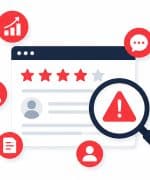
Most consumers look at online reviews before purchasing. A business with hundreds of five-star reviews generally looks more legitimate than others. Fake reviews skew ratings, and consumers could choose services that don’t really deliver the quality they’re advertising.
This can cost money, cause bad customer experiences and erode trust in review platforms generally.
Warning Signs of Suspicious Trustpilot Reviews
Some common red flags for consumers to watch out for include:
- Great product. Many 5 star reviews in a short period of time.
- The reviews are so vague.
- Repeated phrases in reviews.
- Reviewer profiles are not as active.
- Big jumps in ratings are outside of historical norms.
There’s no single sign to tell you that a review is fake, but many warning signs in combination can indicate something suspicious.
Real Examples of Trustpilot Enforcement
Trustpilot works hard to find and delete reviews that violate their policies.
Trustpilot had posted a ‘Breach of guidelines’ notice against MilesWeb, stating that it had removed a number of fake reviews from the company’s profile. That’s what review platforms do when they find suspicious activity.

Public discussion has also highlighted enforcement actions involving Sellvia, highlighting the importance of closely examining company profiles and not just relying on overall ratings.

These examples are not to suggest that all of the reviews of these companies are fake. They are just examples of Trustpilot saying they have deleted reviews that did not meet their guidelines.
How Consumers Can Protect Themselves
Before you believe any review score:
- Read the good and bad reviews .
- See customer reviews in detail
- Review the feedback from the different channels.
- Check if the review site has any warnings or notices posted.
- Get behind the overall rating of the company.
A little more research can go a long way in helping consumers make better buying decisions.
Conclusion
Fake Trustpilot reviews are still an issue in 2026, as they can influence customer decisions and damage a company’s online reputation. Learn about the common red flags and watch out for platform enforcement actions to help consumers make better decisions and avoid fake reviews.


 About UsFind out working team
 AdverisementBoost your business at
 Need Help?Just send us a
 We are SocialTake us near to you,