Imagine what it would be like if you were shopping for a new service provider, online store or software company. You see a company with hundreds of good reviews and a good rating. That sounds like a good one. But what if some of those reviews are fake?
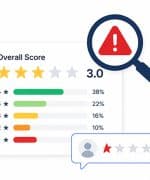
Fake Trustpilot reviews are an increasingly growing problem online. Review sites can help consumers make informed choices but they also attract people and businesses that want to influence public opinion. Knowing how review fraud operates can help you make smarter buying decisions without being duped by fake ratings.
What Is Trustpilot Review Fraud?
Trustpilot is one of the world’s largest consumer review platforms where customers can leave reviews about businesses. Most reviews are from real users but, like any large review site, Trustpilot does sometimes suffer a little bit of fake activity.
Trustpilot review fraud often involves things like:
- Faking positive reviews to enhance a company’s reputation
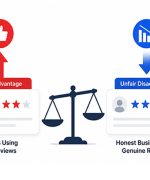
- Writing negative reviews that are fake to damage competitors
- Multiple accounts for fake opinions.
- Paying for reviews or services to write reviews.
- No reporting requirements for incentive’s
Such practices can skew the actual reputation of a company and make it difficult for consumers to find trustworthy companies.
Why Do Businesses Engage in Review Fraud?
Reviews online play a role in buying decisions. Studies have found that consumers trust online reviews almost as much as personal recommendations.
Reviews affect sales and brand image, and some companies prefer to cut corners and buy or generate fake reviews instead of receiving real feedback from customers.
Common reasons are:
- Boosting conversion rates
- Rapid Trust Building
- Improving search visibility
- Changing the Perception
- Staying ahead of the competition
Such strategies can produce short-term gains, but can have a serious fallout if exposed.
How Trustpilot Attempts to Prevent Fraud
Trustpilot has a number of measures in place to detect and prevent suspicious reviewing activity, in order to maintain the integrity of the platform.
Some of these measures are as follows:
Automated Fraud Detection
Trustpilot uses automated means to analyze review patterns, account behavior, IP activity and other signals to detect suspicious content.
Manual Investigations
If reviews are reported, Trustpilot may also perform additional investigations to determine if platform rules have been violated.
Review Flagging
Both businesses and consumers can flag reviews they believe to be fake, misleading or otherwise inappropriate.
Transparency Features
TTrustpilot often provides information on the company’s response, history of reviews and verification marks that can help users judge credibility.
And while these systems do help reduce abuse, there’s no review platform out there that can promise to catch every fraudulent review immediately.
In some cases, Trustpilot may remove reviews or display notices when it identifies activity that violates its guidelines.


Warning Signs of Potentially Fake Reviews
“Consumers should not simply consider a company’s overall rating. Examining more closely the patterns in reviews can give useful clues.
Extremely Generic Praise
If you see a review that just says “Great company!” or “Excellent service!” without much detail, it may need a little more scrutiny.
Large Numbers of Reviews in a Short Period
Sometimes a sudden flurry of positive reviews can be a telltale sign of a coordinated effort, she says.
Repetitive Language
A lot of reviews that have the same sentence structure, words or phrases could mean non-organic behavior.
Lack of Balanced Feedback
Real reviews good and bad. Pages that are rated perfect are not always a true reflection of the customer experience.
Reviewer Activity Patterns
You may want to check out accounts with a single review or new accounts.
None of these signs are automatic proof of fraud, but a few red flags should raise further investigation.
How Consumers Can Protect Themselves
Fake reviews are not only on Trustpilot. Fortunately, consumers can take a number of steps to make better informed decisions.
Read More Than the Star Rating
Examine individual reviews rather than focusing only on the overall score.
Look for Detailed Experiences
Real reviews will often provide information about products, services, timelines, pricing or customer support interactions.
Check Multiple Sources
Check out the various review sites, social media sites, forums and industry specific communities.
Review Company Responses
The way a company responds to criticism speaks volumes about their professionalism and the way they treat their customers.
Consider Review Trends
A long history of steady feedback is often more reliable than a sudden burst of ratings.
The Risks for Businesses
Companies caught in review fraud are subject to harsh penalties.
Risks are:
- Consumer confidence drops
- Review sites accounts Penalties
- The bad publicity
- Legal exposure in certain jurisdictions
- Long term damage to brand image
Transparency is becoming more and more important in our ever more digital world. Companies who want real customer feedback tend to have a better, more sustainable reputation than companies who try to game the review system.
Conclusion
The fake Trustpilot reviews controversy reveals an uncomfortable truth about today’s online shopping environment: all reviews are not created equal. Trustpilot and other review sites spend vast sums on systems to detect and moderate fraud, but consumers have a vital part to play in assisting to judge the credibility of online feedback.
Don’t trust star ratings, Read the details of the reviews, Compare reviews across multiple sites and Be aware of common red flags so you can be better informed and less susceptible to fake reviews. In an age where reputation is often made online, critical thinking is one of the best tools you have to protect yourself as a consumer.


 About UsFind out working team
 AdverisementBoost your business at
 Need Help?Just send us a
 We are SocialTake us near to you,