Choosing a web hosting provider is one of the most important decisions for the website owners. Whether you’re starting a personal blog, an online shop or a business website, your hosting company will have a lot to do with how your site performs, how secure it is and how reliable it is.
The vast majority of customers can’t try the hosting service before they buy it, so they depend a lot on web hosting reviews to decide. Reviews can be helpful for information about uptime, customer support, pricing and what it’s like to use the service. But not every review is authentic. The hosting industry faces a major problem of fake and manipulated reviews that are increasingly appearing.
The competition between the hosting companies is so intense that some businesses and affiliates are attempting to manipulate public perception by resorting to false review practices. Consumers cannot tell the difference between real reviews and marketing copy that pretends to be independent reviews.
Why Reviews Matter So Much in Web Hosting
Unlike physical products you can’t really ‘see’ the service until you start using it, which is the difference with web hosting. Before they buy, buyers cannot easily check the quality of servers, technical infrastructure or the responsiveness of support.
When comparing providers, reviews are often the deciding factor. What potential customers are looking for:
Website Speed & Performance
Server reliability uptime
Customer service quality
Pricing & renewals
Security features
Ease of use
Accurate reviews that reflect users’ experience help consumers to make informed decisions. But when reviews are manipulated, consumers may select providers who do not meet their expectations.
Common Fake Review Tactics in the Hosting Industry
There are many different types of fake reviews. Some are obvious, some are artfully faked to look it.
1. Paid Positive Reviews
Some companies pay individuals or marketing agencies to write positive reviews. They are way too gushing with no or very little information about real hosting experiences.
The goal? More reviews. New custome…
2. Affiliate Review Bias
Many hosting review websites make money from commissions when someone buys a hosting plan through their affiliate link.
Affiliate marketing is legal. But it all falls apart when reviewers care more about commission rates than giving honest reviews. Companies that pay more in commissions tend to get a lot more favorable coverage than they deserve based on how good their service actually is.
3. Fake User Testimonials
Some reviews are written with fake customer profiles. These testimonials may be stock photos, generic names and vague descriptions which provide little proof of actual usage of service.
4. Competitor Review Attacks
Not all positive feedback is manipulation of reviews. Some businesses try to do harm to the competition by posting a false negative review about exaggerated problems or false experiences that simply didn’t happen.
This can distort the ratings and create unfair perceptions for the customers.
5. Review Flooding
Or you could publish a lot of reviews, and publish them quick. All of a sudden you get a burst of positive reviews and it can skew the overall rating of the company and hide the negative reviews to the bottom of the page.
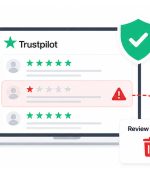
Platforms may look into and take action on suspicious review activity that breaks the platform’s guidelines. Such measures could include the removal of reviews and the issuing of public notices to increase transparency.
MilesWeb’s profile was flagged by Trustpilot with a message stating “Breach of guidelines” and that it deleted a number of fake reviews.Another example: a Trustpilot profile where Trustpilot says it acted on reviews that violated its guidelines.
Why Fake Reviews Are Harmful
Fake reviews are impacting more than just individual buying decisions. They are impacting the entire hosting ecosystem.
Misleading Customers
For example , false information may lead a client to choose a hosting company . They experience downtime, performance issues or bad support when the service doesn’t live up to expectations.
Unfair Competition
Honest hosting companies trying to provide quality service get buried under aggressive review manipulation tactics.
Loss of Consumer Trust
Users discovering fake reviews may reduce their confidence in review sites and recommendation sites. And it hinders real customer feedback from doing its job.
Financial Costs
Changing web hosting providers can be a lengthy, costly process. Incorrect information of a host can lead to website migrations, risk of downtime and missed business opportunities.
Fake reviews are not always easy to spot but there are some red flags to look out for.
Extremely Generic Language
Reviews that say things like “best hosting ever” or “perfect service” without details are to be taken with a grain of salt.
Overwhelmingly Positive Ratings
If you find a company with virtually no criticism in hundreds of reviews, you might want to dig a little deeper. Even great businesses sometimes receive valid complaints.
Repeated Writing Patterns
There may be multiple reviews from the same source especially if they are similarly worded, have similar sentence structure or the same promotional language.
Lack of Long-Term Experience
Most of the fake reviews only mention the sign-up process and never talk about long-term performance, uptime or support.
Sudden Review Surges
A sudden flurry of reviews in a short space of time may be an indicator of coordinated review activity.
How Customers Can Research Hosting Providers More Effectively
Fake reviews exist and customers should not rely on one source of information.
Compare Multiple Review Platforms
A few independent review sites can provide you with a more rounded perspective. Repeated comments on a number of websites may be more reliable than a single rating.
Read Both Positive and Negative Reviews
Negative reviews can point out recurring problems that you may not see in advertising materials. Look for trends, not just single complaints.
Look for Detailed Experiences
Real reviews talk about uptime, support tickets, migration or website performance.
Research Community Discussions
Technology forums, web development communities and social media discussions are a good source of real world experience from experienced users.
Test Customer Support
If you have any questions contact the hosting company's support team before you purchase. The quality and speed of the response can give useful information about the customer experience.
Conclusion
The influence of web hosting reviews is growing all the time as customers depend more and more on online feedback when they select hosting providers. Reviews are still an important research tool but with the rise of fake testimonials, affiliate bias and review manipulation, careful evaluation is more important than ever.
By looking at various sources, digging into detailed user experiences, and being cautious of overly promotional content, users can make better-informed hosting decisions. In an industry based on trust and reliability, authentic reviews are still one of the most valuable tools you can have at your disposal – if you use them with a critical eye.
We are team of ' Delhi Startups ' , most active startup community with strict spam policy.
We are making !deas happen..for future, business and jobs without charging anything, with connecting entrepreneurs.. It's a reason to trust on us.
Come and join or subscribe, we will defiantly give a reason to like us.

Another example: a Trustpilot profile where Trustpilot says it acted on reviews that violated its guidelines.





 About UsFind out working team
 AdverisementBoost your business at
 Need Help?Just send us a
 We are SocialTake us near to you,