Online reviews are important in the consumer decision making process. Most of the people search for ratings and customer feedback before buying a product, subscribing to a service or choosing a web hosting provider. Reviews can be helpful but they don’t always give a real feel of the customer experience of products. There are two main ways of review manipulation that have become increasingly popular, review bombing and fake positive reviews.
Both practices work in different ways, but they can both distort the public perception in an unfair way and influence the buying decisions. Knowing the difference between review bombing and fake positive reviews can help consumers make smarter choices and encourage companies to be more transparent.”
What Is Review Bombing?
Review Bombing is the act of a group of users posting a large number of negative reviews in a short period of time in order to damage the reputation of a product, service, company or individual. Reviews can be fake and not necessarily based on the real experience of the customers.
Review bombing campaigns can be started by:
- Political differences Public Disputes
- Business decisions
- Social media trends
- Viral online campaigns
Often the people reviewing a product or service have never used it. Often their purpose isn’t to provide legitimate customer feedback, but rather to depress ratings and create negative publicity.
Examples of Review Bombing
The most common form of review bombing is:
- Video games.
- TV Series & Movies
- Software Tools
- internet services
- E-Commerce Websites
A controversial company announcement or public statement can have a significant impact on overall ratings and cause thousands of negative reviews to be posted in a matter of days.
What Are Fake Positive Reviews?
“Fake positive reviews are the flip side of review manipulation. The whole point of these reviews is to build the reputation of the company, not destroy it.
Examples of fake positive reviews include:
- Bought through review selling services
- Written by employees who work at the company
- Created with fake profiles
- Incentives: rewarding/discounting
- Made in large numbers to increase ratings
This is generally done to give a feeling of customer satisfaction and to build consumer confidence.
In highly competitive industries, companies might be tempted to post fake positive reviews to distinguish themselves from competitors and attract more customers.
How Review Bombing Affects Businesses
Review bombing can be very effective, particularly for small businesses that depend on their online reputation.
Potential results:
Reduced Customer Trust
Bad ratings will keep people away from a business, whether it’s fake or not.
Revenue Loss
Lower ratings affect direct sales, subscriptions & customer acquisition.
Reputation Damage
Review bombing campaigns can lead to reputation problems that last long after the review bombing campaigns have ended.
Increased Support Burden
A lot of hours in a business day go to responding to reviews, investigating claims and talking to worried customers.
How Fake Positive Reviews Affect Consumers
Review bombing hurts business, but fake positive reviews hurt customers more.
Some of the biggest risks include:
Misleading Purchasing Decisions
Consumers may select a product or service based on its high star rating rather than on its actual quality.
Unrealistic Expectations
Fake positive reviews can also set unrealistic expectations for your business.
Unfair Competition
A company that relies on real reviews from its customers is at a disadvantage when it has to compete with a company that can fake its reviews.
Erosion of Trust
“Fake reviews are on the rise and that could lead consumers to lose faith in review sites altogether.
Similarities Between Review Bombing and Fake Positive Reviews
The two practices have a number of similarities, despite their differing goals.
Both of them:
- management of public opinion
- Fake review ratings
- Mislead potential consumers
- Lower the confidence of review systems
- Create an uneven playing field
Whether ratings are lowered by review bombing or raised by fake positive reviews, the result is the same: consumers are given a false picture of the business or product.
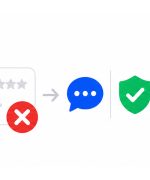
How Review Platforms Respond
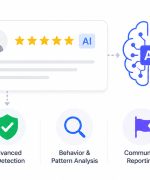
Major review sites put a lot of effort into identifying suspicious review activity.
The usual moderation methods are:
- Systems to detect fraud automatically.
- Account Authentication checks.
- Behavior analysis
- User reviews
- Community reporting instruments;
Reviews that do not follow the guidelines may be removed. In the event of unusual activity ratings may be temporarily suspended.


But moderation systems are flawed. Why should consumers read reviews? Some fake reviews and review bombing campaigns still slip through the cracks.
How to Identify Fake Reviews
Here are some warning signs that you might be seeing review manipulation.
Find the:
- A spate of reviews in a short space of time
- Some reviews have repetitive language
- Reviews Without Specifics
- Words that are overly emotional or sentimental
- Quick changes in rating (up or down)
- Low activity reviewer profiles
Consumers should not just look at the star ratings, but also read the detailed reviews and compare information from different sources.
The Importance of Independent Research
But online reviews are just one part of a much bigger research process.
Just a thought before you buy:
- Expert reviews
- Norms of the industry.
- Different platforms
- Social media discussions
- Show product
- Company profile & reputation
A few sources will give you a more complete opinion and reduce the chances of being influenced by rigged scores.
Conclusion
Here 's a different take on the same issue ( review manipulation ) . The “review bombing” vs fake positive reviews controversy . Review bombing is a mass negative review done to unfairly damage a reputation Fake positive reviews are inflated ratings that are used to attract customers. Both practices erode trust and prevent consumers from finding truly trustworthy products and services. Knowing what review bombing means, and how to spot signs of manipulated feedback, can help consumers make more informed decisions and tap into a wider range of information sources than online ratings.




 About UsFind out working team
 AdverisementBoost your business at
 Need Help?Just send us a
 We are SocialTake us near to you,