Imagine you are looking for a product online and you find hundreds of five star glowing reviews. The company seems trustworthy, the customers seem satisfied and the choice seems clear. But what if many of those reviews weren’t from real customers?
Review manipulation has become an increasing problem across e-commerce sites, service marketplaces, travel sites and review sites. Most companies spend a lot of time working to earn real customer feedback, but some companies take a shortcut: artificially inflate their reputation with fake or misleading reviews.
But why take the risk with the business? Grasping the motivations behind review manipulation may help consumers to make wiser choices and to understand why this practice continues despite policies and regulations from the platforms.
What Is Review Manipulation?
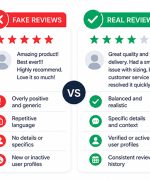
Review manipulation is any attempt to artificially influence ratings and customer reviews.
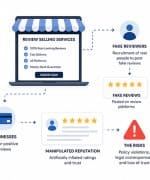
This may include:
- Publication of false positive reviews
- Paying people to write positive reviews
- Offering undisclosed incentives
- Removing or silencing negative responses
- Fake customer account creation
- Third-party services for managing review campaigns
The objective is straightforward: to make a business look more trustworthy and successful than it actually is.
The Pressure to Stand Out Online
“Reviews today are often more influential on buying decisions than ads are in the digital marketplace,” he said.
Many consumers check ratings prior to:
- Purchase products
- Hotel bookings
- Contractor hiring
- Selection of Software Providers
- Choosing restaurants
A 3.8-star rating versus a 4.8-star rating can make a big difference in sales. Some companies therefore view reviews not as genuine customer feedback but as a weapon of competition.
The temptation to manipulate reviews is strong for businesses in crowded markets, especially when it seems that competitors are doing it.
Faster Growth Without Earning It
Building a reputation takes time.
Usually companies take months or even years to:
- Provide quality products
- Provide great customer service
- Troubleshooting problems
- Customer retention and loyalty
That sounds like a cheap trick to fix the reviews. Instead of waiting for satisfied customers to organically leave feedback, businesses can fake their way to popularity overnight.
A new business with hundreds of five-star reviews may appear more established than it is, luring customers who might otherwise go to a more experienced competitor.
Increased Revenue and Conversions
There is often a considerable financial incentive to manipulate reviews.
Research repeatedly demonstrates that higher ratings can result in:
- Increased traffic to your website
- Improved conversion rates
- More sales
- Increased customer confidence
- Better ranking in marketplaces
Even a small bump in ratings can mean a lot of extra revenue for some businesses. But for the unscrupulous operators the promise of this profit can sometimes outweigh ethical considerations.
When fake reviews result directly in sales, review manipulation can be incorporated into a firm’s marketing strategy.
Gaining an Advantage Over Competitors
Another big reason behind review fraud is competition.
Some companies feel they are at a disadvantage when competitors are using questionable tactics. This leads to a cycle of companies feeling they have to game reviews just to be competitive.
Some companies take it a step further:
- Creating fake reviews for their own products
- Publishing fake negative reviews of others
- Co-ordinated campaigns to wreck rival reputations
Such practices are market distortions and are a detriment to consumers who are trying to find truly high quality businesses.
Improving Search Visibility
Many platforms use ratings and reviews as ranking signals.
More reviews mean that products and businesses tend to be:
- Improve Search Ranking
- More exposure on marketplace platforms
- Better recommendation rankings
- Better customer engagement
Reviews have an impact on visibility , which can create a snowball effect when ratings are manipulated . More visibility = more clicks = more sales = more reviews
That makes the temptation of review manipulation especially strong for companies that are laser-focused on fast growth.
Protecting a Damaged Reputation
Not all review manipulation begins with a desire to grow. Sometimes they use it to hide problems that are already there.
If a company is getting bad feedback it can try to bury it by creating a lot of good reviews. “Just to dilute the complaints, to make it look like people are happy.
Some organizations react to perception and not to the underlying issues (bad service, bad product, etc.)
While this approach may bring short term gains, it seldom resolves the true issues customers are facing.
The Impact on Consumer Trust
Competitors aren’t the only ones with review manipulation issues.
Consumers’ discovery of fake reviews can decrease their trust in the whole review system. People are more cynical about ratings, recommendations and customer testimonials.
This creates a number of problems:
- Honest business reputation lost
- Consumers make poorer choices
- Visibility of poor quality products
- Review platforms are losing trust
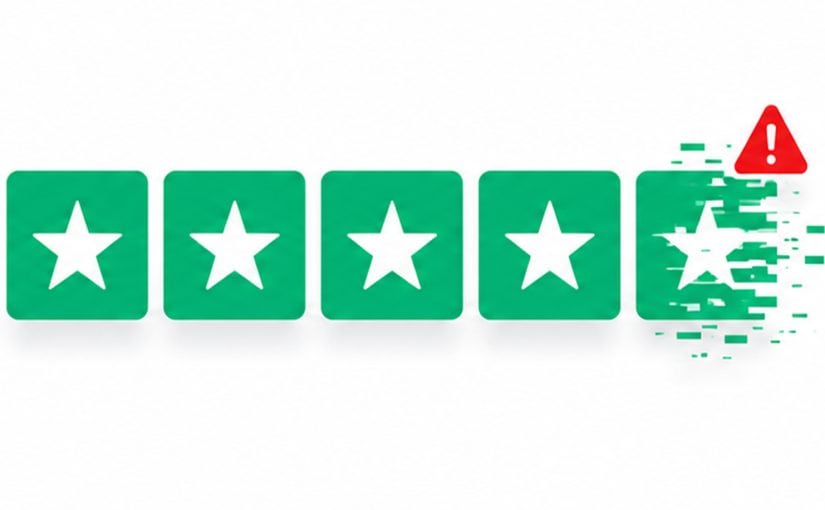
Over time, widespread review fraud can erode the value of online reviews altogether.
The Risks for Businesses
It can be tempting to manipulate reviews in the short term, but it can be a risky business.
What shifting reviews could mean for businesses:
- Blocked accounts
- Eliminate reviews.
- Sanctions on the platform.
- Regulators’ questions
- Damage to Reputation
- Drop In Consumer Confidence
And perhaps most importantly, trust can be very difficult to regain once broken. Most times folks will forgive mistakes but they are less forgiving if they are deliberately taken up the garden path.


Conclusion
Review manipulation is why reviews are one of the most powerful factors influencing consumer decisions. Better ratings can lead to increased visibility, sales and competitive advantage. Some of these companies are so tempted by the incentives that they feel the need to game the feedback, rather than earning it.
But the long-term costs generally outweigh the short-term benefits. Fake reviews diminish consumer trust, make for an uneven playing field and undermine the credibility of online marketplaces.
The most sustainable way is still the simplest: give quality products, give great service and get honest customer reviews from honest customer experiences.


 About UsFind out working team
 AdverisementBoost your business at
 Need Help?Just send us a
 We are SocialTake us near to you,