One of the most important factors in consumer choice is online reviews. Many people read reviews to see what others think before buying something, booking a service or choosing a company. Reviews are so powerful there is a whole underworld industry of companies trying to buy online reviews instead of earning real customer feedback.
Many companies try to create trust with actual customer experience, but some look for review-selling services that promise hundreds of good reviews in a short time. They work behind the scenes to make the fake reviews seem real and difficult to spot.
In this article, we’ll explain how the review-selling industry works, why businesses use it and the risk involved.
Why Reviews Matter So Much
They say that reviews affect the buying decisions of consumers. Positive ratings might:
Creating confidence in your customers
Increase conversion rates
Increase Search Presence
Increase your brand equity.
Influence on the buying decision
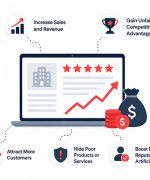
A small bump in average ratings can mean a lot of revenue for many businesses. This provides great incentives for firms to gain competitive advantage.
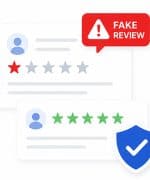
Unfortunately, some companies cut corners and use fake reviews to achieve those results.
What Does It Mean to Buy Online Reviews?
Companies that buy online reviews pay individuals or specialized agencies to write positive reviews on review sites.
These reviews may be:
On-line stores
Local Business Listings
Travel Sites
Apps in Store
Consumer Review Sites
Social media platforms
The concept is simple: you make it look like you have happy customers, whether the reviews are real or not.
Some services will have packages of a handful of reviews or hundreds of ratings over weeks or months to avoid detection.
How Review-Selling Services Operate
Selling reviews is pretty sophisticated business.
1. Networks of Reviewers
A lot of providers with a huge pool of people that will post a review for a few bucks.
Reviewers may:
several accounts
Build real user profiles.
Write reviews on several sites
Special requirements of clients
Which makes them seem real reviews.
2. Private Online Communities
How do people get people to review sellers?
Private messages for groups:
Freelance professional marketplaces
Social media groups;
forums
These communities connect businesses with reviewers willing to pay for positive reviews.
3. Gradual Posting Strategies
Usually sellers will space out reviews and not post dozens at once.
The aim of this approach is:
Mimicking natural reviewing behavior
Less chance of being detected
Base the ratings on
4. Customized Review Content
Many services do not have the same comments, they have unique review text.
Reviews:
Specific Product Information
People stories
Customer Service Experiences:
Feature description
The more a review is like a real review, the harder it is for automated systems to detect suspicious activity.
Why Businesses Choose to Buy Online Reviews
Some companies are still using these services at their own risk. Understanding the motivations behind review manipulation helps explain why businesses continue using these tactics despite the risks.
Fast Reputation Building
A new business has a hard time getting first reviews.
Paid reviews can generate an illusion of popularity and credibility in days.
Competitive Pressure
But if you’re in a hyper-competitive space, hundreds of good reviews from your competition can turn up the heat on your own business.
Some owners say paid reviews even the playing field.
Increased Sales
High ratings are typically associated with:
More stories:
Have more questions ?
Higher conversion rates
Other income (expense)
The lure can be tempting for growth companies that are short-term orientated.
Search and Ranking Benefits
Many platforms have review signals as part of their ranking signals.
It’s tempting, but risky, to get fake reviews as more good reviews can help you in search results.
The Risks of Purchased Reviews
The idea of buying reviews may seem like a good idea at first glance but the fallout can be dire.
Account Suspensions
Many platforms are looking out for suspicious reviewing activity.
Businesses such as: fake reviews can be trouble for:
Delete review
Penalties for listings
Account Suspended
LOW VISIBILITY
Review platforms sometimes take direct action when they detect suspicious review activity. This can include removing reviews, issuing warning notices, or applying penalties to company profiles that violate platform guidelines.
Trustpilot displayed a "Breach of guidelines" notice on the MilesWeb profile, stating that it had removed a number of fake reviews.Example of another Trustpilot profile where the platform reported taking action against reviews that violated its guidelines.
Loss of Consumer Trust
“Trust is hard to earn, easy to lose.
When customers find out that a company has been manipulating reviews, the damage to reputation can be huge.
Legal and Regulatory Consequences
Now consumer protection agencies in many countries are cracking down on deceptive marketing.
Fake review companies could be in trouble:
Regulatory obstacles
Financial limitations
Enforcement procedures (public)
Long-Term Brand Damage
Fake reviews can have short term benefits but the damage of bad press in the long term is greater.
How Review Platforms Fight Fake Reviews
Detection systems are still under review for platforms.
The most popular ways are:
Detecting the pattern
Account activity monitoring
Tracking IP
Machine learning has been used
Manual moderation squads
Community reporting pathways
The measures are designed to spot suspicious reviewing behavior before it can mislead consumers.
Fake reviews are still a problem, but the technology to spot them is improving.
How Consumers Can Protect Themselves
While reading the reviews, be on the lookout for red flags such as:
A large number of reviews over a short period of time
Too much advertising babble
General or non-specific comments
Similar language in many of the reviews
Review reports of low activity
Reading a mixture of positive, neutral and negative reviews usually provides a more balanced view of customer experiences.
Conclusion
And with online reputation becoming more important, so too has the industry that’s popped up around companies trying to buy online reviews. The companies that sell fake reviews know how to make them look real and they are convincing (but dangerous).
Any short term gain can be easily taken away by legal action, penalties to the account and loss of customer trust. In the long run, the real customer experience is the most sustainable way to gain credibility and strong online reputation.
Trust is the most valuable currency of business. A company that values quality products and honest reviews will be trusted for a long time, more than a company that buys reviews.
We are team of ' Delhi Startups ' , most active startup community with strict spam policy.
We are making !deas happen..for future, business and jobs without charging anything, with connecting entrepreneurs.. It's a reason to trust on us.
Come and join or subscribe, we will defiantly give a reason to like us.







 About UsFind out working team
 AdverisementBoost your business at
 Need Help?Just send us a
 We are SocialTake us near to you,